




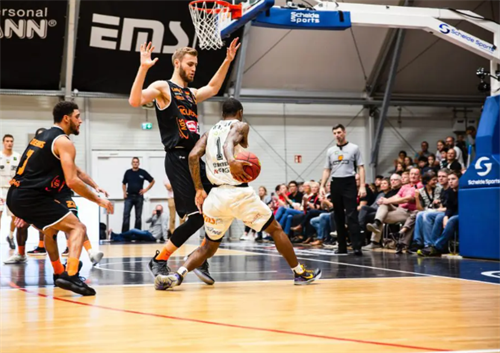
In the NBA, matchups are about more than players and personnel. They are about contrasting philosophies. Some teams live and die by transition offense and uptempo basketball. Others grind possessions, methodically space the floor, and feed post-ups through structured sets. When these two worlds collide, the dynamic isn’t just a stylistic contrast — it becomes a battle for the tempo of the game itself.
In modern basketball, pace isn’t an organic byproduct — it’s a strategic tool. Teams use it to exploit mismatches, disrupt rhythm, and control outcomes even when talent is evenly matched. Understanding how pace is controlled — whether by acceleration after a rebound, deliberate shot-clock manipulation, or defensive positioning — provides deeper insight into why certain clubs succeed against others.
What Is Pace, and Why It Matters in the NBA?
At its core, pace measures how many possessions a team plays per 48 minutes, reflecting the speed of the game and the number of opportunities for scoring and defense. Teams with high pace push outlets, seek transition opportunities, and create more scoring chances by maximizing possessions. Slower teams emphasize structure, patience, and efficiency within each possession. In the NBA today, these differences can significantly impact game outcomes and opposing strategies.
A fast pace can boost scoring totals and exploit fatigue, while a methodical approach limits possessions and tests structural discipline. Coaches who can dictate pace don’t just control possessions — they control rhythm, roster rotation, and even momentum.
The Anatomy of a Fast-Paced Team:
Fast-paced NBA teams are defined by their propensity to accelerate possessions through transition offense, quick ball movement, and burst scoring. Historically, this style traces back to the “run-and-gun” basketball of the 1960s and the Lakers’ “Showtime” era of the 1980s, both of which leaned heavily on pushing the pace after rebounds and turnovers.[1]
In today’s NBA, teams like the Indiana Pacers and Memphis Grizzlies rank among the league leaders in possessions per game because they emphasize attack-first basketball, early offense, and scrappy reinforcements on transition. Recent Finals contenders have leaned on this philosophy, using bench depth and relentless energy to maintain a rapid pace that forces aging, methodical opponents into uncomfortable territory.
Key Traits of Fast-Paced Offense:
Transition priority: Push after defensive rebounds and misses to get easy points before the defense sets.
Quick decision-making: Earlier shots — often within the first 8–10 seconds — to keep pace elevated.
Spacing and cuts: Must maintain floor equilibrium even while accelerating the offense.
Fast pace thrives on chaos, but it is more than a stylistic flourish — it’s a commitment to maximizing possessions and forcing defenses to react rather than dictate.
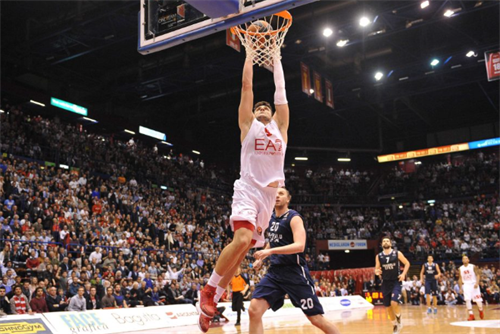
The Hallmarks of Positional Half-Court Play:
Opposite the full-throttle approach are teams that dominate positionally. These clubs emphasize structured execution, clock control, and sequencing within their sets. A positional team doesn’t speed up because they lack talent — they slow down to optimize shot quality and defensive balance.
Think of old-school Eastern Conference teams or franchises like the Miami Heat under Erik Spoelstra. For years, Miami ranked near the bottom in pace, favoring meticulous offensive constructions and half-court spacing — but this slow-tempo identity remains a powerful defensive strategy.
Strategic Tools of Positional Teams
Shot clock management: Using 10–15 seconds before initiating offense to ensure spacing and quality.
Pick-and-roll sequencing: Methodical ball movement to create mismatches without hurried reads.
Defensive reset: Prioritizing transition defense to deny early buckets and reset the half court.
Positional play thrives on execution and discipline, forcing opponents into structured play even when they prefer chaos.
Controlling Pace — Offensive Levers:
When a fast-paced team meets a master positional team, pace control often begins on offense. Here’s how both sides assert their tempo in live game situations:
1. Transition Push vs. Deliberate Break
Fast teams hunt transition scoring through aggressive rebound outlet passing and spacing designed to invite early offense. In contrast, positional teams secure rebounds and delay their advance, effectively controlling the clock and preventing easy buckets — a tactic that reduces the number of possessions without relinquishing defense.
According to basketball fundamentals sources, controlling offense tempo includes using deliberate dribbles and selective passing to set up half-court sets, which slows pace strategically rather than reactively.
2. Ball Movement and Set Plays
Fast offenses often rely on quick ball reversals and read-and-react movement, pushing the pace through immediate spacing and cuts. Positional teams prefer executed sequences: ball screens, dribble handoffs, and isolation in space — all designed to use more shot-clock time and reduce the total number of possessions.
This difference reflects deeper philosophy: fast pace seeks opportunity volume, while positional play seeks quality over quantity.
3. Pick and Roll Utilization
In a fast tempo attack, the pick-and-roll is often an early read, used to generate quick scoring options or drive momentum. Positional teams, meanwhile, run deliberate screens deeper into the shot clock, forcing defenses to rotate and react structurally.
A deeper pack defense within half-court sets can limit transition scoring and force a slower, clock-eating series, effectively neutralizing a fast team’s tempo advantage.

Defensive Tactics That Dictate Tempo:
Offense can influence pace, but defense often determines whether that tempo sticks.
1. Full-Court Pressure
A full-court press accelerates the game by forcing turnovers and creating transition opportunities for the offense. This defensive tactic doesn’t just seek steals — it disrupts the opponent’s rhythm and accelerates possessions.
For fast teams, full-court pressure and quick rotations are tools to keep the opponent unsettled and possessions high. For slower teams, defending the press with discipline and careful outlet passes is a counter-measure to regain control.
2. Denying Transition Opportunities
Positional teams prioritize getting back on defense after a missed shot. By preventing early offense, they limit the opponent to a half-court setup, forcing fewer possessions and a slower overall pace. This defensive emphasis on rebound retreat and early help rotations is a central pillar of tempo control.
Strategic Adjustments in Real Matchups:
History provides vivid examples of how pace battles play out.
Warriors vs. Grizzlies (2015 Playoffs)
When a fast pace Warriors squad met the slow, defensive Grizzlies, the speed-oriented Golden State offense forced Memphis to defend transition repeatedly — creating spacing stress and mismatches. This allowed the Warriors to impose their tempo and gain control of game flow.
Rockets vs. Jazz (2019 Playoffs)
The Rockets, known for their high pace and early scoring, imposed tempo on a slower Utah offense. By pushing possessions and attacking early, Houston dominated the series — a classic case of pace dictating outcome.
The Psychological Dynamics of Pace Control:
Controlling tempo isn’t just tactical — it’s psychological.
Fast-paced teams often force opponents into uncomfortable decision-making. Early shots and quick rotations can sap confidence if the slower team is unwilling or unprepared to match the speed. Conversely, positional teams frustrate relentless attackers by stringing together long possessions — wearing down both clock and opponent morale.
Effective coaches use timeouts, substitutions, and deliberate slow play not as passive measures but as strategic tempo controls, directing the flow of the game like a conductor guiding an orchestra.
Lessons for Coaches and Analysts:
For NBA analysts and coaches, understanding pace is essential to understanding outcomes. Here are implications for preparation and analytics:
1. Study Opponent Tendencies
Pace variances by team provide predictive power. Coaches can analyze average possessions per game and adjust defensive spacing accordingly.
2. Flex Your Strategy
Mastery lies not in a rigid tempo but in adaptability. Teams that can shift pacing mid-game — speeding up when advantageous, slowing down to protect a lead — demonstrate superior control.
3. Player Roles Matter
Personnel influences pace. Younger, athletic rosters excel at fast breaks, while experienced, half court specialists thrive in positional play. Balancing rotations reinforces the chosen pace.
Conclusion: Tempo as a Competitive Weapon
When a fast-paced team meets a master of positional play, the battle for pace control becomes as important as traditional metrics like shooting percentages or rebounding. Teams that understand how to manipulate tempo — whether by accelerating possessions or slowing them to a crawl — often gain significant strategic advantage.
Pace isn’t accidental. It’s a tool coaches can wield, a psychological lever that shapes decision-making, and a competitive edge that turns stylistic clashes into definitive victories. In today’s NBA, the game isn’t just played — it’s paced.
Source:
[1]Haberstroh, T. (2014, December 9). Pace, unconventional tempo, and half-court offense have made Miami must-watch. NBC Sports.https://www.nbcsports.com/nba/news/pace-unconventional-up-tempo-halfcourt-offense-have-made-miami-must-watch

Three Basic Strategies for Safely Carrying the Ball Over the Half-Field in the Face of Pressured Defense