




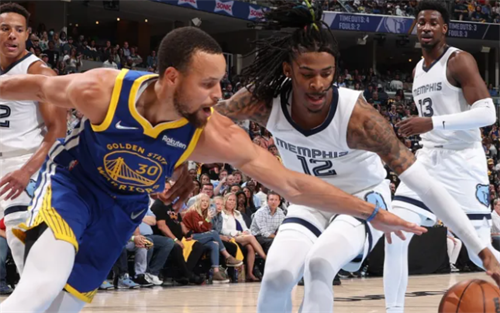
In the modern NBA, elite point guards are judged not only by scoring but by their ability to manipulate defenses with subtle and creative passing. While most casual fans recognize the traditional across-the-floor pass or direct handoff, the best floor generals possess a repertoire of nuanced passing techniques that elevate team offense. These hidden passes create opportunities in tight spaces, disrupt defensive rotations, and unlock teammates in ways that are almost imperceptible but profoundly effective.
1. The No-Look Pass
The no-look pass is one of the most visually spectacular passes, but its value goes beyond aesthetics. A no-look pass allows a point guard to misdirect defenders, creating an advantage by exploiting defensive expectations. While it appears risky, elite guards like Chris Paul and Steve Nash demonstrate that anticipation and timing make it a high-percentage weapon.
A successful no-look pass requires three factors: awareness of defenders’ positions, precise timing, and a clear understanding of teammates’ movements. Typically, no-look passes are most effective in fast break situations, during pick-and-rolls, or when a cutter is heading toward the basket unseen. NBA advanced tracking data shows that passes leading directly to assisted field goals often come from deceptive vision management rather than brute force.[1]
For defenders, no-look passes force a split-second decision: do they commit to the ball handler or protect their assignment? A well-timed no-look pass can freeze a defender in place long enough to generate an open shot or uncontested layup.
2. Behind-the-Back Pass
The behind-the-back pass is another technique that merges skill and timing. Unlike a no-look pass, it is visually deceptive while maintaining control of the ball, allowing the passer to navigate tight defensive windows. This technique is often used to maintain offensive rhythm while avoiding pressure, particularly in post-up situations or staggered screen actions.
A hallmark of an effective behind-the-back pass is fluidity. The ball should roll off the hand with minimal arc, ensuring the target can catch it without breaking stride. Historically, players like Magic Johnson and more recently Jrue Holiday and Trae Young have used behind-the-back passes to split defenders or thread the ball through congestion.
In practice, this technique works best when the point guard is dribbling along the baseline, coming off a screen, or driving from the wing. When executed poorly, turnovers are common; thus, it requires both spatial awareness and confidence in the teammate’s movement.
3. Bounce Pass Through Traffic
The bounce pass, though often considered a basic skill, becomes an advanced technique when used strategically through traffic. Bounce passes allow the ball to travel under defenders’ arms and legs, reaching cutters or post players while minimizing interception risk.
Bounce passes are particularly effective in high-pressure situations, such as:Baseline cuts;Staggered handoffs;Pick-and-roll actions in the paint.
Timing is crucial. A bounce that is too high or too late can be easily intercepted. NBA coaches often emphasize a low, sharp bounce angled toward the receiving player’s midsection, ensuring quick control and immediate scoring opportunity.[2]
Bounce passes excel in team-based half-court offense, where defenders anticipate standard passes. By bouncing the ball at the right moment, point guards can exploit over-aggressive defensive stances.
4. Skip Pass
The skip pass is a lateral or cross-court pass designed to stretch the defense and create open perimeter opportunities. It is highly effective against zone defenses or when defenders over-commit to one side of the floor.
Elite point guards use skip passes to:
Move the ball quickly across the floor;Force defensive rotations;Open shooters in the corners or wings;
Steph Curry and LeBron James (as a secondary ball handler) have used skip passes to break down double-teams and exploit late rotations.
The key to a skip pass is speed and precision. Too slow, and the defense adjusts; too high, and turnovers become likely. Timing with teammates’ movement is critical, as well as reading defenders’ positioning and help rotation tendencies.
5. Pocket Pass
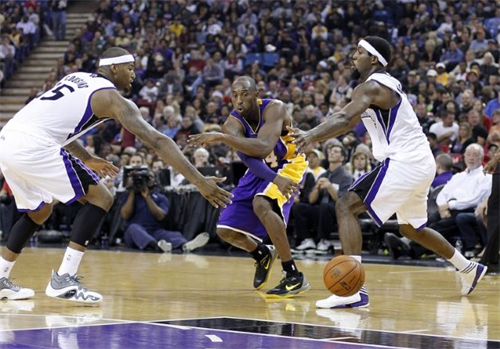
A pocket pass threads the ball through tight spaces between a defender and the passer. It is subtle but highly effective when defenders attempt to overplay passing lanes.
Use cases for a pocket pass include:
High pick-and-roll situations where the roller is partially covered;
Baseline penetration in crowded areas;
Situations where hand-checking or verticality rules create small windows;
The technique demands quick decision-making and precision, as passing too late or too forcefully can lead to turnovers. Top point guards like Chris Paul excel in pocket passing, often converting half a second of defensive lapse into high-percentage shots. Coaches emphasize that a proper pocket pass requires awareness of both defender arm placement and teammate positioning.[3]
6. Drop Pass / Lob Pass to Cutter
Drop passes and lob passes are subtle tools that exploit over-aggressive defenses. A drop pass is a soft feed into a cutting teammate, while a lob pass is an arcing delivery over defenders.
Ideal scenarios:
When defenders over-commit to ball pressure;
Backdoor cuts against denial defense;
Pick-and-roll sequences where the roller is temporarily open;
Effectiveness depends on timing, arc, and anticipation. Elite point guards coordinate these passes with their teammates’ cuts and screen actions, often forcing defenses to rotate too late to contest efficiently.NBA film analysis shows that drop passes to cutters create layup opportunities in 45–60% of attempts when executed correctly, demonstrating their high return on precision and timing.
7. Reverse or Wrap-Around Pass
The reverse or wrap-around pass involves moving the ball around a screen or defender to reach a teammate on the other side. It is particularly effective for:Backdoor cuts;Staggered screens;Exploiting defenders who overplay passing lanes;This advanced technique requires both peripheral vision and hand dexterity. Damian Lillard and Ricky Rubio are known for creating scoring opportunities with wrap-around passes, often converting defensive attention on the ball into open shots for teammates.Practically, the wrap-around pass forces defenders into indecision: do they fight the pass, or cover their man? The result is a high-percentage scoring chance for the offensive team.
8. Practice and Implementation for Coaches and Players
Mastering these techniques requires deliberate practice and repetition. Coaches often design drills targeting each pass type:
No-Look Drills: Two-man fast-break exercises emphasizing vision without gaze.
Behind-the-Back Drills: Cone-avoidance exercises that force mid-dribble passing.
Bounce-Pass Drills: Cut-through traffic setups simulating congested paint situations.
Skip-Pass Drills: Half-court rotations emphasizing timing and spacing.
Pocket-Pass Drills: Tight-space decision-making and rapid release practice.
Drop/Lob Drills: Partner cutting with controlled arc passes.
Wrap-Around Drills: Staggered screen simulations and pass sequencing.
Integrating these into 3v3 or 5v5 scrimmages reinforces decision-making under live conditions. Consistency is more important than flashy execution; elite passes rely on anticipation and team coordination rather than mere skill.
9. Common Mistakes to Avoid
Even experienced point guards can fall victim to common errors:
Overusing flashy passes, leading to turnovers;
Misjudging spacing or timing;
Ignoring defender positioning or rotation;
Attempting passes without visual confirmation of teammate readiness;
Coaches emphasize that intelligence and awareness outweigh athleticism. A perfectly executed no-look pass or pocket feed can become a turnover if the defensive context is misread.The best point guards set themselves apart not through scoring alone, but by using subtle, high-skill passes—such as no-look, behind-the-back, bounce, skip, pocket, drop/lob, and wrap-around—to create open shots, exploit defensive rotations, generate layup or dunk opportunities, and maintain offensive flow under pressure. Mastery of these techniques relies on anticipation, timing, spatial awareness, and teamwork, making them tactical tools rather than mere showmanship. Point guards who develop these hidden passing skills enhance their court vision and efficiency, transforming ordinary possessions into high-value scoring opportunities.
Source:
[1]NBA. (n.d.). Player passing stats: 2024–25 season. https://www.nba.com/stats/players/passing?Season=2024-25
[2]Basketball Immersion. (n.d.). https://basketballimmersion.com/
[3]USA Basketball. (n.d.). Coaching resources. https://www.usab.com/coaching

Three Basic Strategies for Safely Carrying the Ball Over the Half-Field in the Face of Pressured Defense